Beyond New Builds: Why On-Reserve Housing Quality Demands a Strategic Asset Management Approach
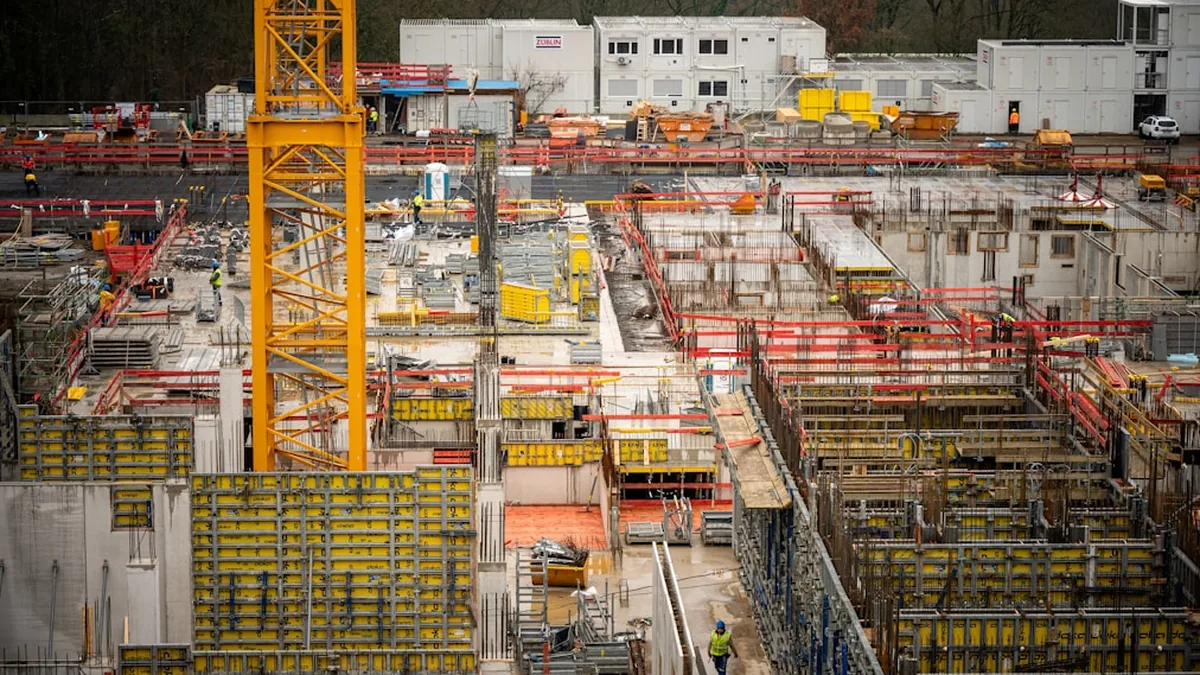
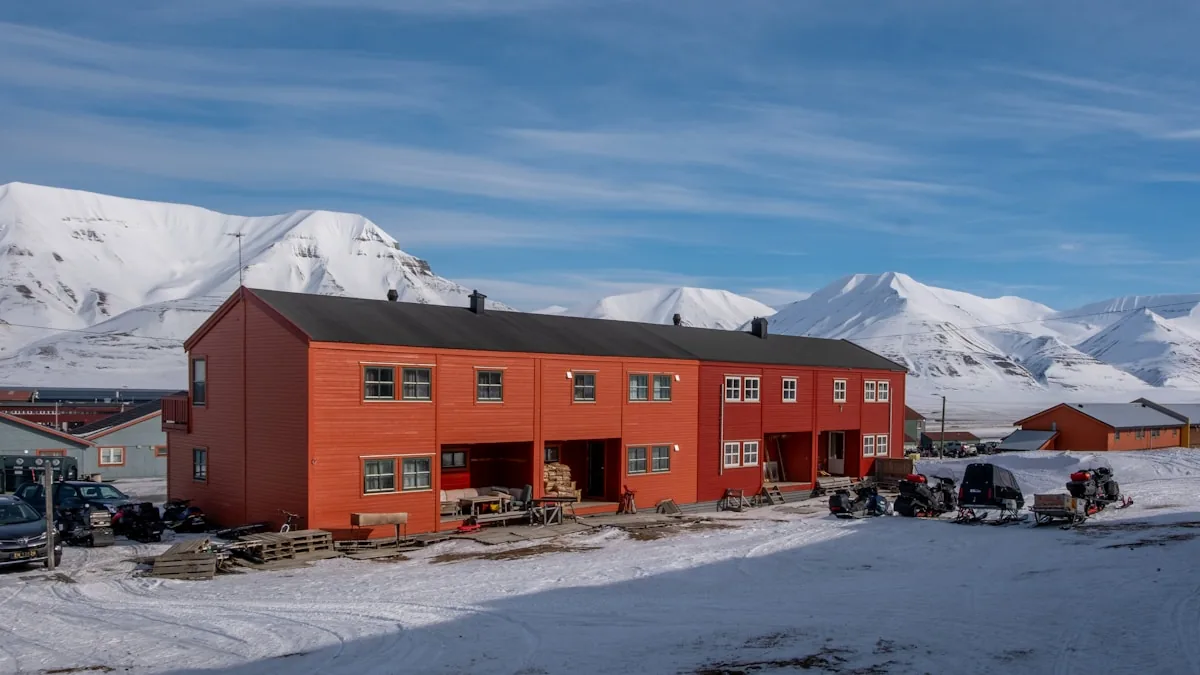
The Assembly of First Nations has documented that 157,453 new homes are needed to address the on-reserve housing crisis. But the crisis is not only about quantity. Across Canada, existing on-reserve housing stock is deteriorating faster than it is being repaired. Mould, structural failure, and overcrowding are not edge cases. They are the norm in too many communities. For housing directors, the challenge is not just building new units. It is managing an aging, underfunded stock while simultaneously planning for growth.
The Problem: Reactive Maintenance Is Destroying Asset Value
Most on-reserve housing programs are funded for construction, not lifecycle management. The result is a predictable pattern: new units are built, maintenance funding is insufficient, conditions deteriorate, and within a decade the community is managing a housing stock that is both inadequate in quantity and failing in quality. Reactive maintenance costs three to five times more than planned preventive maintenance. Communities that do not have asset management systems in place are spending more to get less.
The Trend: Courts and Funders Are Raising the Quality Bar
The February 2026 court rulings that affirmed Canada's duty to provide safe housing explicitly referenced housing quality, not just quantity. ISC's 2026-27 Departmental Plan identifies infrastructure condition and sustainability as key performance areas. Funders are increasingly requiring communities to demonstrate asset management capacity before approving new construction funding. Quality is no longer a secondary consideration.
The Solution: Asset Management as a Strategic Function
Addressing housing quality at scale requires treating your housing stock as a managed asset portfolio, not a collection of individual units. This means conducting condition assessments that establish a baseline, developing maintenance schedules that prevent deterioration, prioritizing renovation investments based on risk and impact, and building the administrative systems to track and report on housing conditions over time.
XNM Technologies supports First Nations housing directors in developing housing asset management frameworks, conducting condition assessments, and building the capital planning and procurement capacity to address quality systematically.
Practical Takeaways for Housing Directors
Conduct a comprehensive housing condition assessment to establish a current baseline for your entire stock.
Develop a housing asset management plan that prioritizes units by condition, risk, and occupancy.
Separate your maintenance budget from your capital budget and protect both from year-end reallocation.
Build mould remediation and energy efficiency upgrades into your renovation program as standard scope items.
Document your housing quality data in a format that supports ISC reporting and funding applications.
Conclusion
Building new homes matters. But so does protecting the homes you already have. Communities that invest in housing asset management will stretch every dollar further, reduce emergency repair costs, and build the track record that attracts more investment. Quality is not a luxury. It is a governance responsibility.
Contact XNM Technologies to discuss how we support First Nations housing directors in building asset management capacity and delivering quality housing outcomes.