
May 5, 2026 · 2 min read
Critical minerals—lithium, cobalt, rare earths—are essential for electric vehicles, renewable energy, and advanced technology. Canada has vast reserves. Global demand is surging. But Indigenous communities where these minerals are located often see minimal economic benefit. The Challenge The Policy Shift Budget 2025 changes this. Federal policy now explicitly supports Indigenous equity ownership in critical minerals projects. For Nations with mineral resources, this represents a historic...
Read more →

May 5, 2026 · 2 min read
Your community receives a $10 million infrastructure grant. You have the funding. You have the projects. But do you have the people? Many Indigenous communities face a critical capacity gap: the internal expertise needed to manage large, complex infrastructure projects. The Challenge Infrastructure projects fail not because of funding or planning, but because communities lack internal capacity to execute them. Project managers, financial controllers, procurement specialists, and construction...
Read more →

May 5, 2026 · 2 min read
Your community has a clear housing priority. The province has different infrastructure priorities. The federal government has funding conditions. How do you navigate competing interests and create a unified infrastructure strategy that serves your community while satisfying external stakeholders? The Challenge Indigenous communities operate at the intersection of multiple governance systems. Federal funding comes with specific requirements. Provincial infrastructure priorities may not align...
Read more →

May 5, 2026 · 2 min read
The federal government's Build Canada Homes initiative commits $2.8 billion to Indigenous housing and infrastructure. For Band Councils, this represents an unprecedented opportunity—but only if your community can demonstrate readiness to access and execute these projects effectively. The Challenge Many Indigenous communities struggle to access available federal funding because they lack the infrastructure readiness assessments, project planning frameworks, and governance structures that...
Read more →
May 5, 2026 · 2 min read
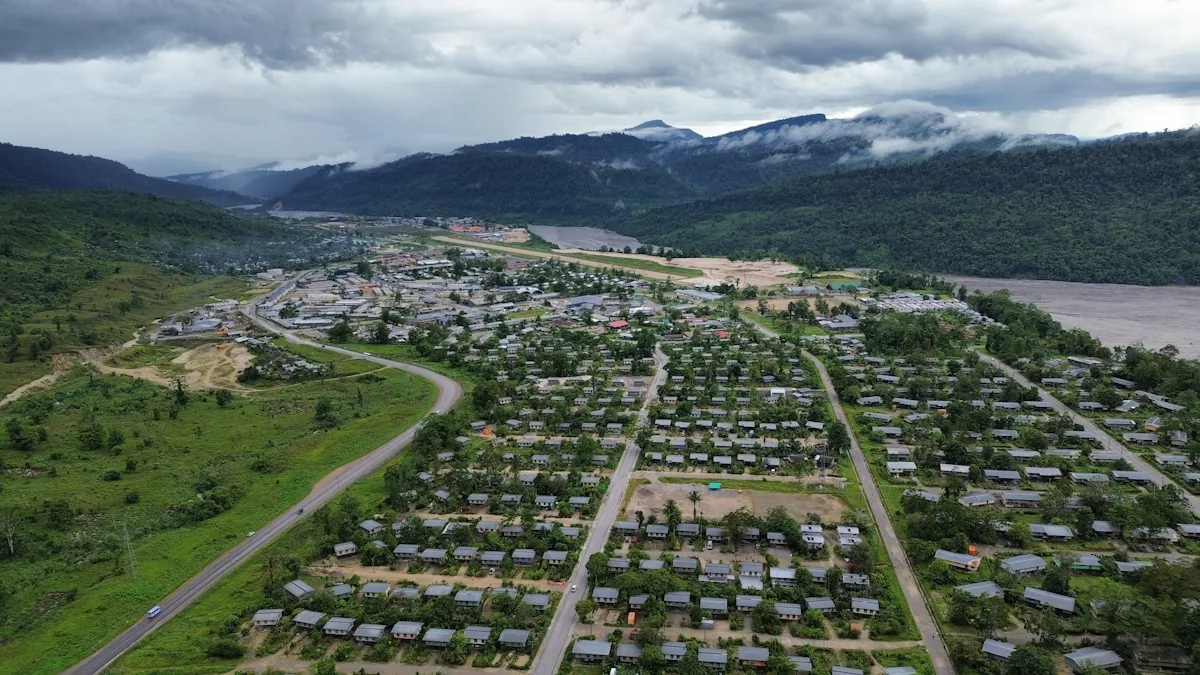
Federal policy has shifted. Budget 2025 explicitly commits to Indigenous equity ownership in clean energy and critical minerals projects. For Nations that have spent years in the consultation seat, this represents a fundamental opportunity—but only if you understand how to structure equity ownership and navigate project development. The Challenge Many Indigenous Nations lack the project development expertise, financing knowledge, and governance frameworks needed to move from consultation to...
Read more →

May 5, 2026 · 2 min read
Self-government implementation, expanded procurement authority, and complex multi-stakeholder projects all demand governance systems that can handle real-time decision-making, transparent reporting, and stakeholder engagement at scale. For Indigenous Nations, digital transformation isn't a technology upgrade—it's a governance imperative. The Challenge Many Indigenous communities operate with fragmented systems: spreadsheets for project tracking, email for stakeholder communication, manual...
Read more →

May 5, 2026 · 2 min read
Twenty-five self-government agreements are now in place across Canada, with more in active negotiation. For Nations approaching implementation, the critical question isn't whether to pursue self-government—it's whether your organization is ready to exercise new authorities effectively. The Challenge Self-government implementation fails when Nations underestimate the organizational capacity required. New authorities demand expanded governance structures, specialized expertise, financial...
Read more →

May 5, 2026 · 2 min read
The federal government has committed to a 5% Indigenous procurement target across all federal departments. For Indigenous communities and businesses, this represents a $2+ billion annual opportunity—but only if you understand how to navigate the system. The Challenge Many Indigenous communities and businesses miss procurement opportunities because they lack clarity on eligibility requirements, bidding processes, and compliance frameworks. Federal procurement is complex, with multiple...
Read more →

May 5, 2026 · 2 min read
Build climate-resilient Indigenous infrastructure. Learn how to integrate climate adaptation, sustainability principles, and long-term resilience into capital projects.
Read more →

May 5, 2026 · 2 min read
Master financial planning for Indigenous capital projects. Learn budgeting, funding strategies, financial controls, and long-term sustainability planning for infrastructure investments.
Read more →

May 5, 2026 · 2 min read
Master multi-stakeholder project management for Indigenous infrastructure. Learn coordination strategies, stakeholder engagement approaches, and governance models that ensure successful delivery.
Read more →

May 5, 2026 · 2 min read
Navigate Indigenous procurement policies and maximize business opportunities. Learn compliance requirements, bidding strategies, and how to position your organization for government contracts.
Read more →