
May 10, 2026 · 2 min read
Canada faces a housing crisis. Indigenous communities face a housing crisis within a housing crisis. Many First Nations have land available for housing development but lack the water and wastewater infrastructure to support it. This creates a paradox: communities have the space to build but not the systems to serve new housing. Understanding how to connect infrastructure investment to housing development is the key to unlocking federal funding and enabling community growth. The...
Read more →

May 10, 2026 · 2 min read
Indigenous communities that access federal funding for capital projects must follow federal procurement rules. These rules exist for good reasons—they ensure fair competition, prevent corruption, and protect public money. But they also create complexity. Band Councils that do not have robust procurement governance in place often find themselves unable to meet federal requirements, losing funding or facing audit findings. Building defensible procurement processes is not bureaucratic overhead....
Read more →

May 10, 2026 · 2 min read
Climate change is accelerating in the Arctic at twice the global rate. For First Nations communities built on permafrost or in flood-prone regions, this is not a future risk—it is a present operational crisis. Roads are buckling. Water systems are failing. Buildings are shifting. Yet most on-reserve infrastructure was designed using climate assumptions that are now obsolete. Planning for Arctic infrastructure resilience is no longer optional. It is a survival imperative. The Problem:...
Read more →

May 10, 2026 · 2 min read
In December 2025, the First Nations Finance Authority (FNFA) surpassed $4 billion in loans since its founding. This milestone reflects a fundamental shift in how First Nations access capital for infrastructure projects. Rather than waiting for government grants, Indigenous communities can now borrow against their own revenue streams through FNFA debentures. For Band Councils planning major capital projects, understanding FNFA financing is essential. What Is FNFA and How Does It Work? The...
Read more →

May 10, 2026 · 2 min read
The Canada Housing Infrastructure Fund (CHIF) launched in March 2025 as a $5.7 billion investment in water, wastewater, stormwater, and solid waste infrastructure. For Indigenous communities facing aging water systems and inadequate treatment capacity, CHIF represents a direct funding pathway. But accessing it requires understanding the fund's structure, eligibility criteria, and application process. What CHIF Funds and How It Works CHIF is designed to accelerate the construction and...
Read more →

May 10, 2026 · 2 min read
In November 2025, the federal government announced a major initiative to accelerate infrastructure project approvals. The Building Canada Act introduced streamlined federal review and approval processes designed to reduce permitting timelines from 180 days to 90 days. For Indigenous communities planning capital projects, this change fundamentally alters project planning and funding access strategies. What Changed: The 90-Day Permitting Standard The federal government's commitment to cut...
Read more →
May 10, 2026 · 2 min read
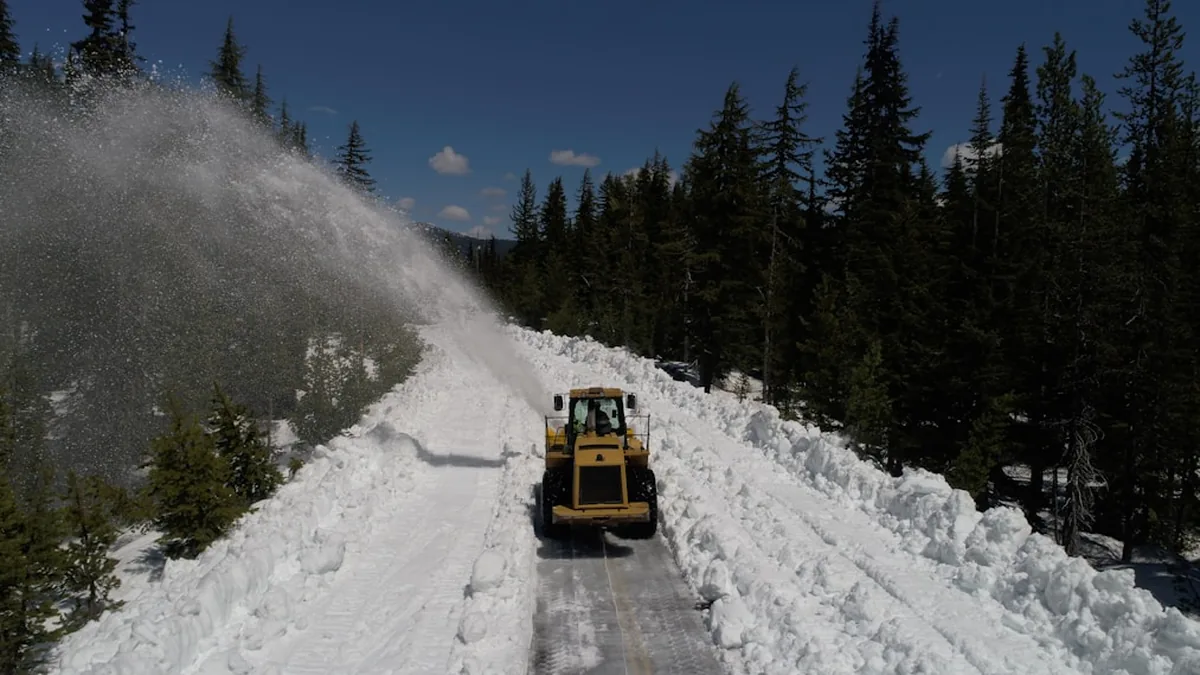
Since December 2025, the federal government has mandated that all departments and agencies allocate a minimum of 5% of their total contract value to Indigenous-owned businesses. This policy represents a structural shift in how federal procurement works—and it creates both opportunities and obligations for Band Councils and Indigenous organizations seeking to participate in government contracting. The Policy: What Changed and Why The mandatory minimum 5% Indigenous procurement target is now...
Read more →
May 10, 2026 · 5 min read
Every developers we talk to has the same 2026 story. progress reports on closing the infrastructure gap raised the stakes, the project got bigger, and the paperwork that proves it got harder to keep…
Read more →

May 9, 2026 · 5 min read
Ask anyone running campus builds, upgrades, and deferred maintenance what kept them up in 2026, and progress reports on closing the infrastructure gap is only half the answer.
Read more →
May 9, 2026 · 2 min read
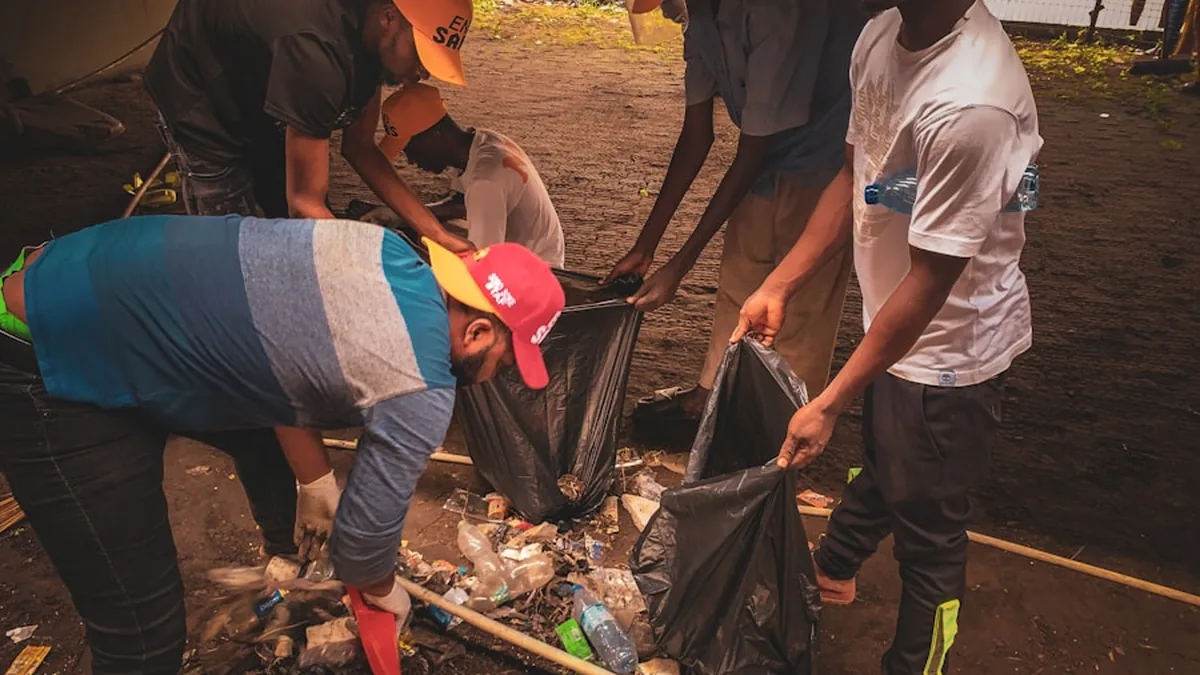
First Nations communities often plan housing, water, and health infrastructure as separate projects. But federal funders increasingly expect communities to demonstrate how these projects work together to improve community outcomes. Integrated infrastructure planning is no longer optional — it is a competitive advantage in federal funding applications. The Problem: Siloed Infrastructure Planning Communities typically plan infrastructure by sector: housing projects, water system upgrades,...
Read more →

May 9, 2026 · 2 min read
Capital projects fail not because communities lack funding, but because procurement processes are not structured to manage risk. A poorly managed procurement can cost a community hundreds of thousands of dollars in cost overruns, disputes, and failed contracts. Strong procurement governance is the foundation of successful project delivery. The Problem: Unstructured Procurement Processes Many First Nations communities conduct procurement without a structured process. Contracts are awarded...
Read more →
May 9, 2026 · 2 min read
The Build Communities Strong Fund ($51 billion over 10 years) is the largest federal infrastructure program in a generation. But here is the catch: it does not flow directly to communities. It flows through bilateral agreements negotiated between the federal government and provinces. If your community is not engaged with your provincial government, you are already behind. The Problem: Provincial Engagement Is Critical The Build Communities Strong Fund is structured through bilateral...
Read more →